English
 中文简体
 Español

SY6333G Paper Tube Lipstick Packaging
100% recyclable, biodegradable packaging for lipsticks. Sturdy, compact (fits purses/travel kits), customizabl...
Content
Cosmetic packaging filling line compatibility is the measured ability of one specific pack, filled with one specific formula, to run through one specific set of filling, capping and decorating stations at production speed without jams, fill-weight drift, torque failure or leakage.
A 30 ml airless bottle that runs at 45 bottles per minute with a 0.6 Pa s lotion will need to drop to roughly 28 bottles per minute once the same bottle carries a 2.4 Pa s cream, because deaeration time inside the pump chamber grows and the nozzle diameter has to change. The bottle did not become incompatible. The triple changed.
Buyers get into trouble when a supplier issues the phrase "filling line compatible" as a stand-alone claim. A drawing cannot carry that claim. Only a trial on the actual line, with the actual formula, at the actual speed, produces it. Treat any compatibility statement that is not tied to a machine model, a nozzle size and a formula viscosity as a marketing line rather than an engineering one.
Filling line failures cluster at four mechanical interfaces, and each one is defined by dimensions rather than by appearance.
| Interface | What must be specified | Typical failure |
| Infeed and indexing | Body diameter, ovality, centre of gravity, puck or no puck | Bottle twists in the star wheel and tips |
| Nozzle to orifice | Orifice inner diameter, neck depth, shoulder angle | Product climbs the neck and foams onto the sealing surface |
| Closure to thread | Thread specification, torque window, liner or plug type | Torque drifts, the cap backs off, leakage in transit |
| Pump or valve to actuator | Dosage per stroke, dip tube length, valve cracking pressure | The pump will not prime, or drips after actuation |
A pack can look flawless and still fail at three of these four points. Notice which item is missing from most specification sheets: the centre of gravity. It is never printed on a drawing, and it is the reason tall slim bottles fall over on curves.
More than half of the stoppages recorded during ramp-up trace back to closure torque and infeed handling, not to the pump mechanism that receives most of the design attention.
of recorded ramp-up stops were closure torque failures, a number the packaging purchase order usually never states.
The practical reading is plain. Spend the tooling budget on the thread and the body diameter before spending it on the actuator finish. The finish sells the first unit. The thread gets the second one shipped.
Each container format can only be filled one or two ways, and no machine adjustment converts one method into another.
Airless packs must be filled bottom-up with the piston held in a fixed position, then primed with at least three full strokes before capping. Top filling above roughly 1.5 bar pushes air into the pump chamber and the unit will not dispense on first use. A pump that passes a hand test can still fail here, because a hand test never pressurises the chamber the way a production actuator does.
Tubes are filled open and sealed afterwards, so the specification that matters is the tail seal: 5 to 8 mm of clean, product-free tube wall, with the shoulder centred to within about 0.3 mm. Product sitting on the seal zone is the single most common tube failure, and it is invisible until the crimp is pressure-tested.
Jars are capped rather than sealed by the filler, so the torque window and the liner thickness become the compatibility question. Compacts for pressed powder sit outside liquid filling entirely, but they still travel the same conveyor for labelling and cartoning, which means hinges, mirrors and clear lids must survive repeated handling without cracking.
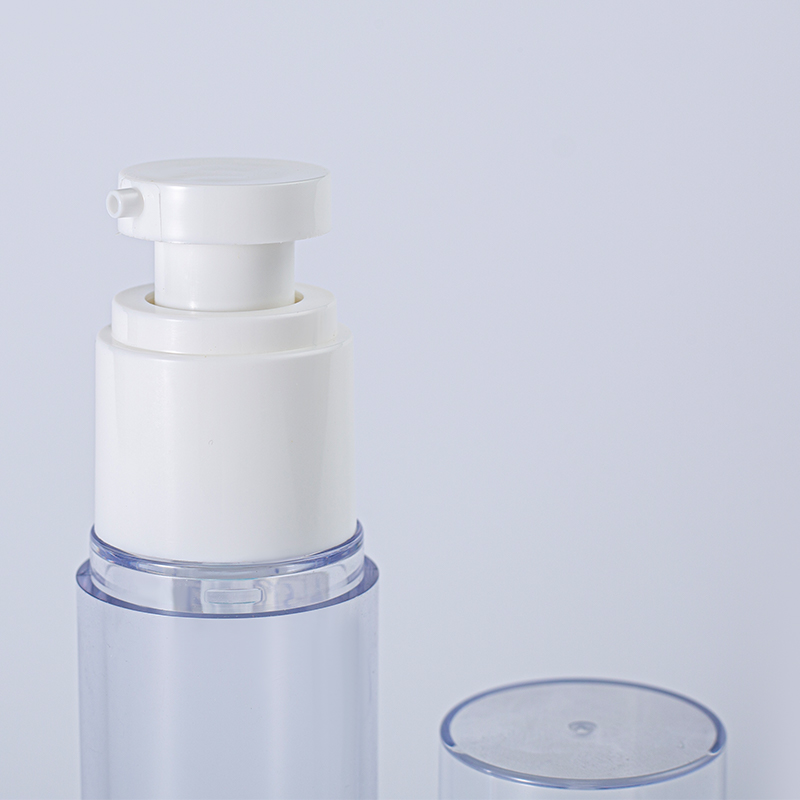 SY7106G 15 ml Airless Vacuum Pump BottleCylindrical 15 ml airless pump bottle for serums, essences and rich creams, offered for OEM/ODM cosmetic packaging projects.View Product →
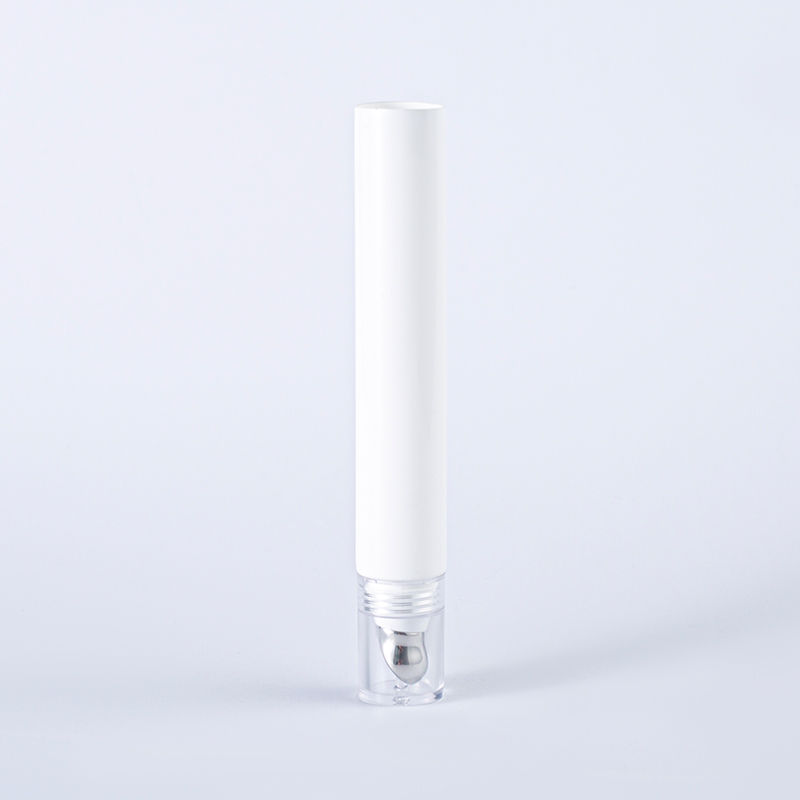
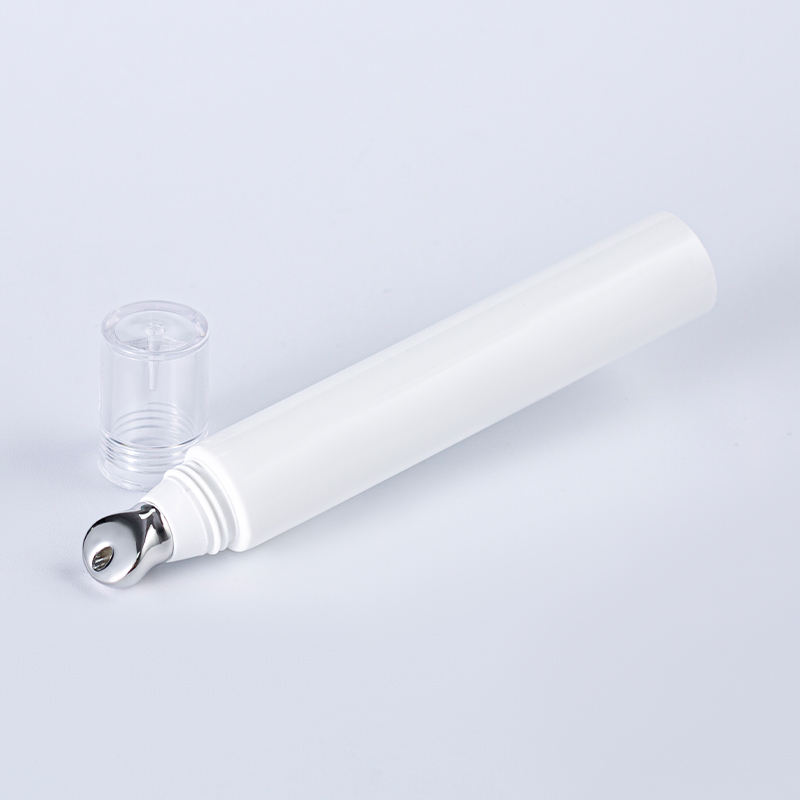 SY1033G Empty Cosmetic Squeeze Tubes for SkincareWhite plastic squeeze tubes for eye cream, serum or lotion, with customizable size and printing for OEM/ODM skincare packaging.View Product →
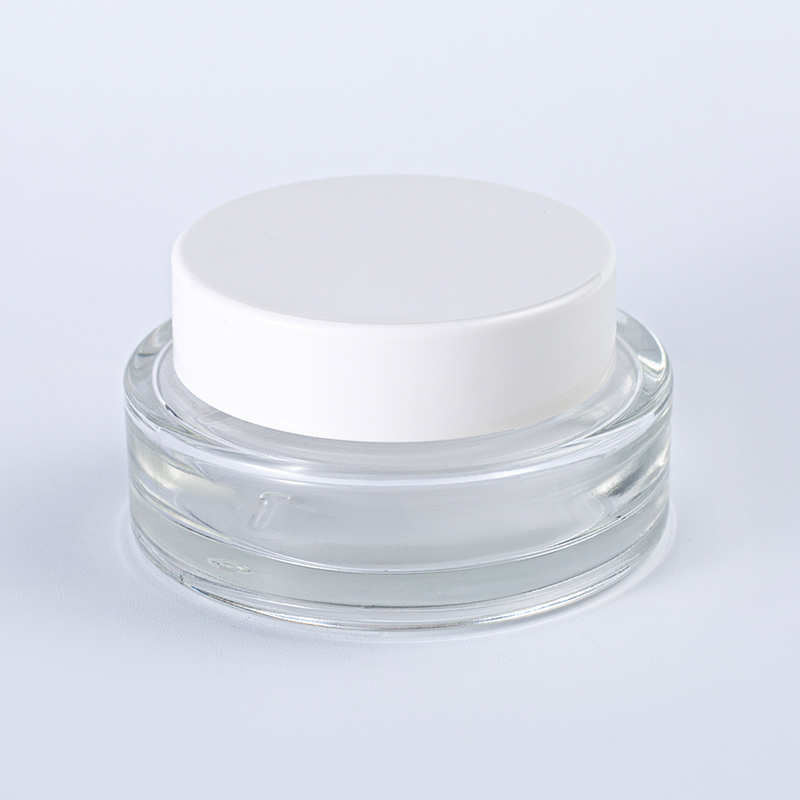
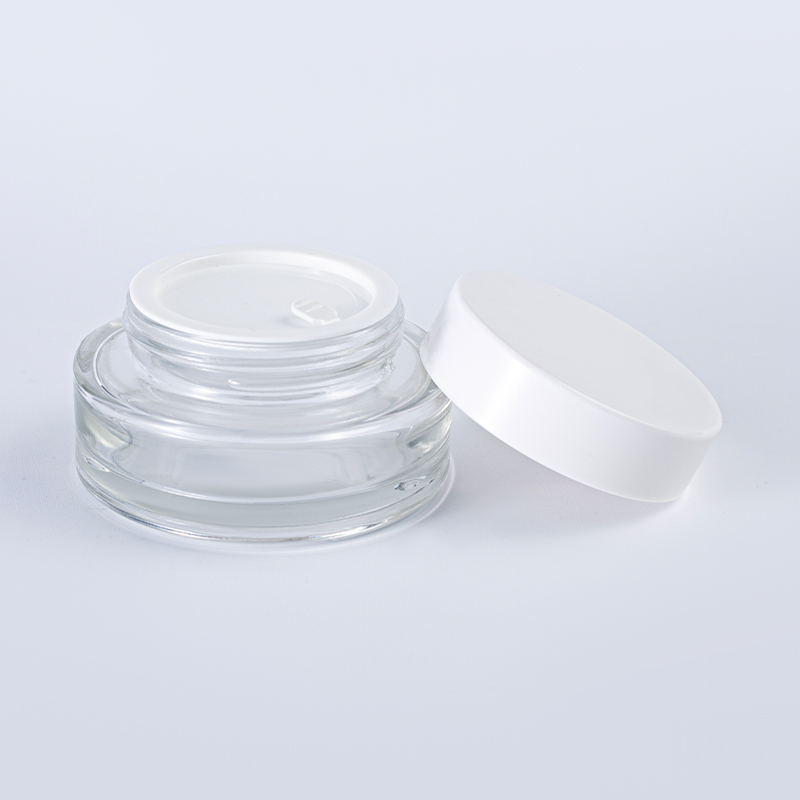 SY9038G Air-Tight Clear Cosmetic Pot, 30 gClear 30 g cosmetic jar with an opaque white lid and wide mouth for face cream, positioned for refillable and travel-size skincare packaging.View Product →
Compatibility is decided by the sum of tolerances, never by a single nominal dimension.
Freeze those four figures in the purchase order. A supplier that cannot state them in writing has not run a line, only a catalogue.
Most line trials fail as experiments rather than as runs, because they produce bottles but no numbers a buyer can act on.
Thirty retained samples per cavity is the usual minimum. Below that number, the batch cannot support a statistical comparison once a second mould or a second cavity enters production.
The interface belongs to nobody by default, which is precisely why it fails.
Sumseng Group Co., Ltd., working through its Shunchu packaging division, positions itself as a long-term packaging partner rather than a component seller, which places the tolerance conversation in the same building as mould making, injection moulding and secondary decoration. That matters when a soft-touch coating changes the surface friction on the body and the star wheel starts to slip on a pack that ran perfectly the week before.
No. A drop test measures the pack against transport shock, while a line trial measures the pack against a machine. They test different failure modes, and neither substitutes for the other.
Sometimes, but the cost is permanent. A pack that only runs at 70 percent of line speed consumes capacity that was already paid for, and the lost output rarely shows up in the quotation.
The brand, and it should be budgeted during packaging development instead of surfacing later as an unplanned cost. The trial protects the launch date, which is worth more than the trial itself.
Thirty retained samples per cavity at minimum, plus a full shift of running so that restart behaviour, not just steady running, gets recorded.
Every figure above is cheaper to correct on a drawing than on a filling line. The OEM and ODM packaging service conversation should start with nozzle clearance and torque windows, and only then move to finish, colour and shelf presence.