 English
 中文简体
 Español
Car Air Conditioning Vent Assembly
Precision-engineered for direct OEM fit, our car AC vent assembly...
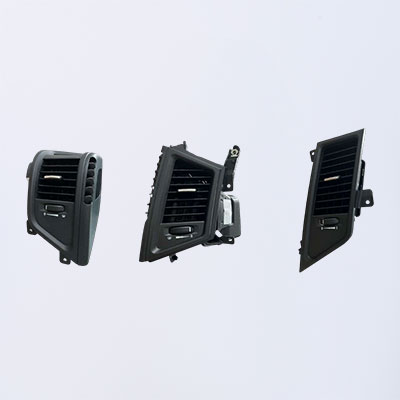
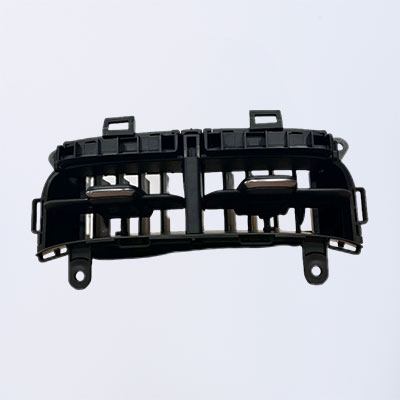
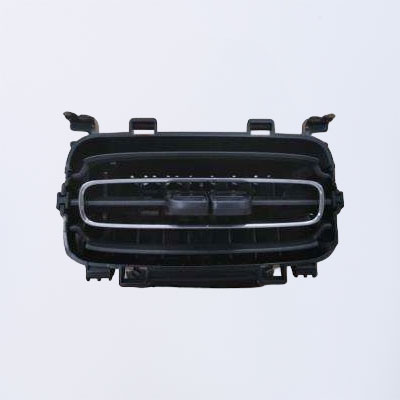
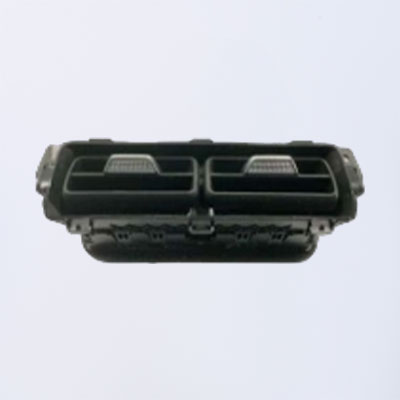
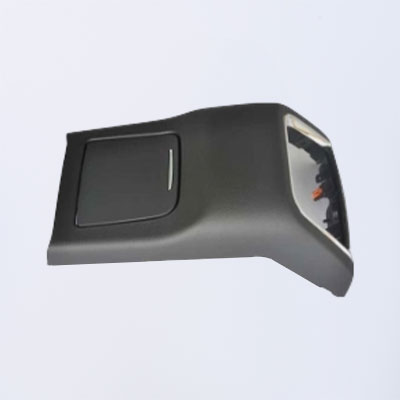
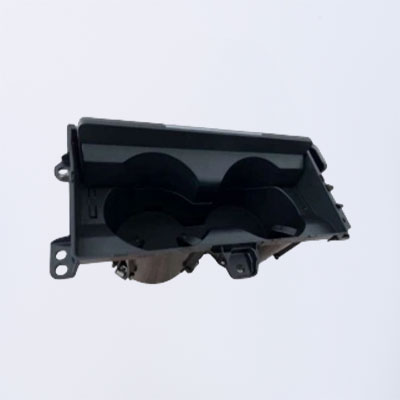
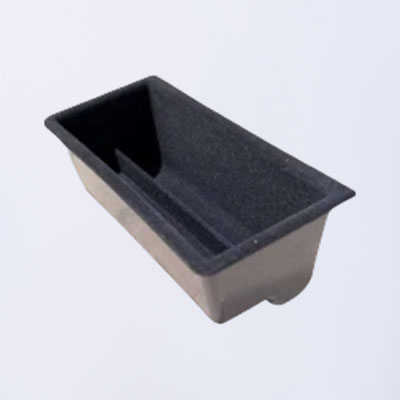
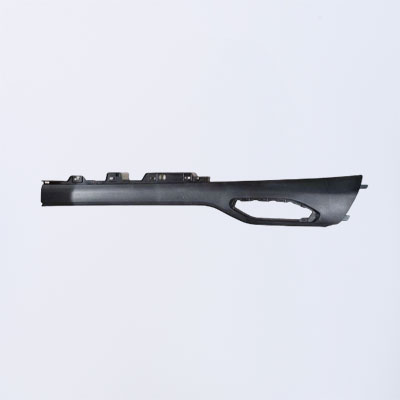
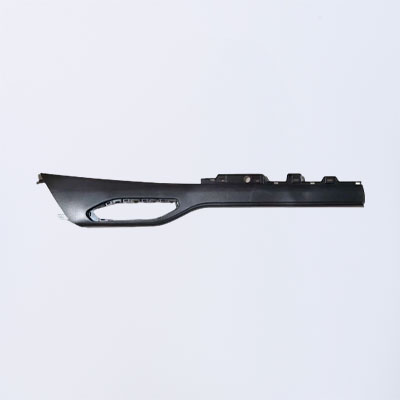
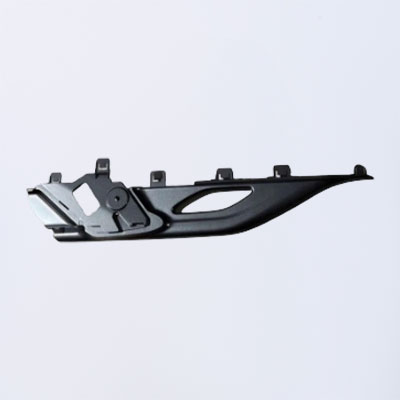
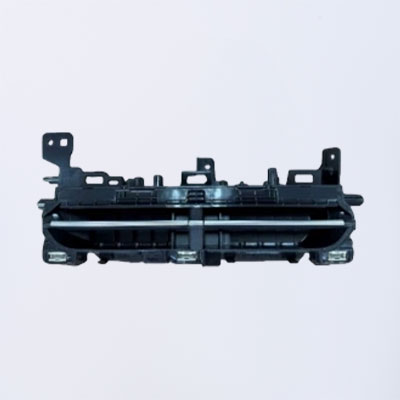
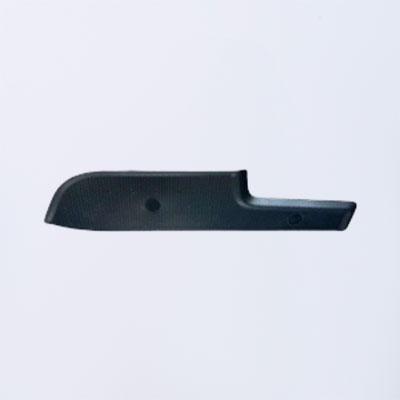
Our automotive interior division specializes in high-precision injection molding for critical cabin components, including dashboard assemblies, door trims, and console structures. The hallmark of our service is extreme dimensional accuracy; we maintain micron-level tolerances to ensure perfect fit-and-finish across high-volume production runs. These parts are engineered from high-performance resins that offer superior heat resistance, UV stability, and flame retardancy to withstand years of environmental stress. We also offer advanced surface texturing, such as leather-grain or geometric etching, providing the tactile and visual quality expected in modern vehicle interiors.
SUMSENG is premium China Plastic Automotive Interior Parts Manufacturers and Plastic Automotive Interior Parts factory, specializing in both standard and custom packaging solutions for beauty and personal care brands. Since 2006, we have focused on cosmetic tubes, jars, cases, powder palettes, bottles, perfume caps, and other related packaging components, supported by integrated capabilities in mold design and manufacturing, injection molding, stamping, coating, hot stamping, printing, vacuum metallization, and assembly.
With an in-house design team, advanced equipment, and a well-established quality management system, SUMSENG is committed to delivering packaging that combines aesthetics, functionality, and brand expression. Certified to ISO9001, we support both OEM and ODM projects, continuously develop new products, and help customers enhance product appeal and market value. More than a manufacturer, we see ourselves as a long-term packaging partner dedicated to innovation, reliable quality, and mutually rewarding cooperation.
Your brand has approved the formula, the packaging brief, and the launch timeline. The container material is the last unresolved decision, and the ABS vs PP cosmetic packaging choice often comes bac...
READ MORE1. Introduction to Empty Lipstick Tube Packaging Engineering and Market Functions In the primary cosmetic packaging sector, empty lipstick tube packaging serves as a critical container system for soli...
READ MORE1. Introduction to Luxury Lip Gloss Tube Engineering and Aesthetic Design In modern cosmetic packaging manufacturing, primary containers perform critical functional duties while communicating brand po...
READ MORE1. Introduction to Magnetic Eyeshadow Case Architecture and Market Dynamics The global cosmetic packaging sector relies on modern structural engineering to satisfy functional requirements and user pre...
READ MOREAs a China plastic automotive interior parts manufacturer, Sumseng Group Co., Ltd. supplies precision injection-molded cabin components for passenger vehicles: AC vent assemblies, dashboard and door trim panels, center console structures, storage trays, cup holders and structural brackets. We combine in-house mold design and manufacturing with high-volume injection molding so each part meets dimensional and surface requirements. Our plastic automotive interior parts factory is supported by integrated mold making, injection, assembly and surface decoration, which keeps tooling and serial production under one accountable roof.
Our automotive interior division specializes in high-precision injection molding for critical cabin components: dashboard assemblies, door trims, console structures, air outlets and rear trim. The standard engineering target is micron-level dimensional accuracy so parts seat correctly against adjacent panels. We maintain that discipline across high-volume production runs, not only in first samples. That is what makes direct OEM fit and OE-style replacement parts practical from the same manufacturing system.
The range includes car air conditioning vent assemblies, front and rear center console vents, dashboard side trim panels, door sill lower trim panels, seat side trim panels, center console dual cup holder assemblies, storage trays, rear bumper mounting brackets, lower dash panels and trunk floor panels. The complete automotive interior parts category currently lists 21 part numbers, including left- and right-hand variants of sill and trim panels.
| Part Family | Representative Parts | Cabin Fit | Manufacturing Focus |
|---|---|---|---|
| Air distribution | Car Air Conditioning Vent Assembly, Center Console AC Vent Assembly, Car Rear Center Console Air Vent Assembly, Rear Air Vent Assembly | Dashboard, front and rear console outlets | Louver movement, damper action, pivot alignment, clip-on bezel |
| Console storage | Car Center Console Dual Cup Holder Assembly, Car Center Console Storage Tray, Console Frame Bracket | Front center console and storage area | Flocked surfaces, edge finish, structural retention |
| Trim panels | Car Dashboard Side Trim Panel, Car Door Sill Lower Trim Panel, Car Seat Side Trim Panel | Instrument panel ends, door sills, seat sides | Grain direction, clip holes, gap and flush control |
| Rear and structural | Car Rear Bumper Mounting Bracket, Rear Bumper Lower Trim Panel, Trunk Floor Panel | Rear fascia and trunk area | Rigidity, mounting points, thermal performance |
For visible and structural cabin parts, we specify high-performance resins with heat resistance, UV stability and flame retardancy. These properties matter in hot cabins, long-term sun exposure and interior flammability requirements. Resin selection is matched to the part location: a dashboard vent needs different dimensional behavior than a rear bumper mounting bracket.
On visible surfaces, we offer leather-grain texture, geometric etching and controlled gloss. Texture depth, match lines and color are reviewed against a master sample so the part reads as part of the vehicle interior.
Interior parts carry tolerances across clip positions, parting lines and mounting faces. Our mold shop designs and manufactures tooling in-house, which shortens the feedback loop between part measurement and mold correction. Mold development follows a structured path: project brief, structural design, 3D prototyping, mold manufacturing, trial molding, injection molding, assembly and final review. Trial molding is used to verify dimensions, settle shrinkage compensation and eliminate defects before high-volume production.
This integrated approach matters in automotive interior parts because a small deviation in a clip tower or bezel contour can create a visible gap or a rattle at vehicle level. By controlling both the tool and the molding process, we keep fit-and-finish consistent across the full production quantity.
Many components are delivered as complete assemblies. Vent assemblies include louver blades, bezels and damper mechanisms sized and aligned for installation. Trim panels include clip features and alignment bosses that match original mounting positions. Cup holders and storage trays are produced with contours that follow the console opening.
To prepare a configuration and quotation, we need the project parameters that define the part, the tooling and the production plan. The more precise the input data, the more accurate the proposal.
We support both. Our product line includes direct OEM-fit and OE-style replacement parts, and our group has supported OEM/ODM projects since 2006. For new programs, we combine the customer's design data with our in-house mold development and high-precision injection molding.
Material selection depends on the part location and the customer's specification. The common technical baseline for our interior parts is high-performance resin with heat resistance, UV stability and flame retardancy. We confirm the final grade against the required mechanical loads, flammability class and surface finish.
Yes. We offer leather-grain texture, geometric etching and controlled gloss, and we review texture depth and color against a master sample. For accent surfaces, coating, hot stamping, printing and vacuum metallization can be applied in the same factory.
Send the part location, CAD or physical sample, annual volume, resin or performance requirements, surface finish specification, and any acceptance criteria. With that information we can propose the mold configuration, injection approach, finishing steps and delivery scope.
Our portfolio also includes Products for applications with different operating ranges, interfaces or integration requirements.



Copyright © Sumseng Group Co., Ltd. All rights reserved.
