English
 中文简体
中文简体 Español
SY6333G Paper Tube Lipstick Packaging
100% recyclable, biodegradable packaging for lipsticks. Sturdy, compact (fits purses/travel kits), customizabl...
Content
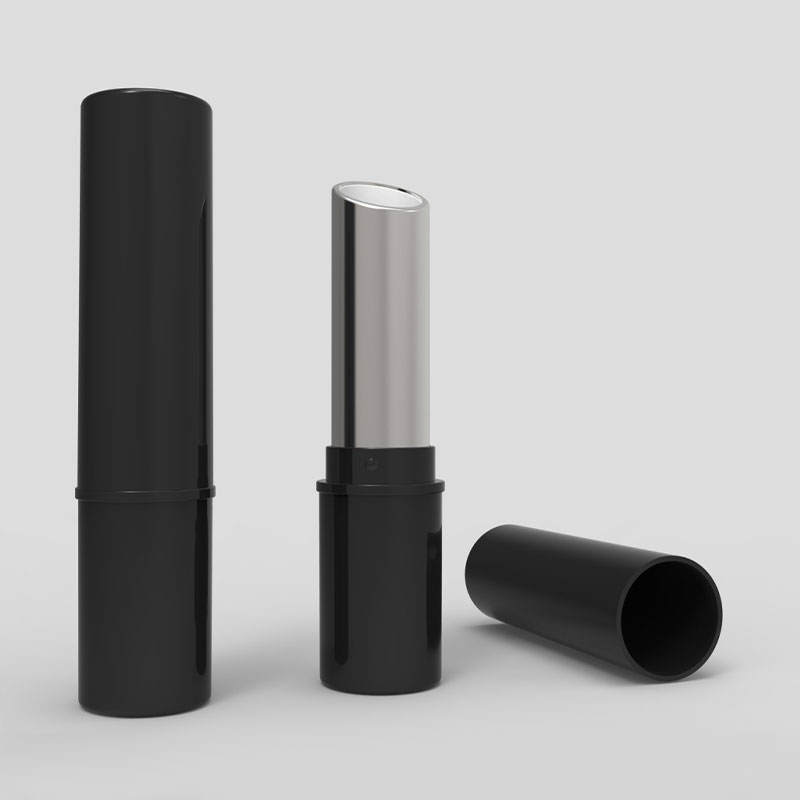
In the primary cosmetic packaging sector, empty lipstick tube packaging serves as a critical container system for solid bullet cosmetics, including classic lipsticks, lip balms, tinted treatments, and solid concealer sticks. Unlike liquid packaging systems, an empty lipstick tube must incorporate a mechanical propulsion assembly that smoothly extends and retracts the formula bullet without causing structural damage or surface scoring to the product.
For prestige cosmetics brands, private-label operations, and contract manufacturers, selecting appropriate empty lipstick packaging involves evaluating functional durability, tactile mass, chemical compatibility, and brand positioning. The assembly requires precise integration among the outer shell, protective cap, internal cup, and swivel sleeve.
Understanding the structural engineering behind empty lipstick tubes enables brand procurement specialists and packaging engineers to specify appropriate production standards. Essential technical parameters include shell wall thickness, cup diameter tolerances, magnetic closing force, swivel torque resistance, and drop-impact strength.
The tactile weight, surface temperature, and structural rigidity of an empty lipstick tube depend on the primary materials chosen for its outer cap and base shell. Manufacturers select substrates based on cost constraints, target mass, and surface decoration requirements.
| Material Category | Primary Density & Weight | Optical / Surface Clarity | Mechanical Strength | Tooling Cost & Production MOQ |
|---|---|---|---|---|
| Stamped / Anodized Aluminum | High density (Cold metallic touch) | Opaque metallic sheen | Superior structural rigidity | High initial tooling; High MOQ |
| Acrylonitrile Butadiene Styrene (ABS) | Medium density (Balanced weight) | Opaque, smooth resin surface | High impact resistance | Moderate tooling; Flexible MOQ |
| Styrene Acrylonitrile (SAN/AS) | Medium density | High transparency (Glass-like) | Moderate, rigid structure | Moderate tooling; Flexible MOQ |
| Weighted Zinc Alloy / Heavy ABS | Maximum weighted hand-feel | Custom electroplated surfaces | Premium structural density | High tooling cost; High MOQ |
| Post-Consumer Recycled (PCR) Plastics | Medium density | Opaque; slight color variance | Good impact performance | Moderate tooling; Eco-oriented |
Aluminum empty lipstick packaging is produced by stamping, deep-drawing, and anodizing raw aluminum sheets. Anodizing creates an integral metal oxide layer that protects the surface against corrosion, scratching, and oxidation. Aluminum housings provide a cool metallic feel and substantial hand-weight, making them common in prestige beauty ranges.
Acrylonitrile Butadiene Styrene (ABS) and Styrene Acrylonitrile (SAN) are standard thermoplastic resins used in empty lipstick containers. ABS offers strong resistance to structural impacts and stress cracking, making it ideal for outer caps and base shells. SAN provides high optical transparency, allowing clear-cap or clear-window designs that display the internal bullet color without opening the case.
To achieve a luxury feel without using full metal components, manufacturers place internal iron or zinc weights inside plastic bases. These hybrid constructions combine the mold versatility and detailed interior threading of plastic assemblies with the substantial weight expected in high-end cosmetic ranges.
The heart of any empty lipstick tube is its internal swivel mechanism (also known as the A-shell mechanism). This component converts rotational hand force into smooth linear extension and retraction of the cosmetic bullet.
| Mechanism Component | Primary Construction Material | Technical Function & Specification |
|---|---|---|
| Inner Bullet Cup | Polypropylene (PP) / POM | Houses the base of the lipstick bullet; features tracking lugs |
| Spiral Guide Tube | Polyoxymethylene (POM) / Polycarbonate | Contains dual spiral grooves that drive the cup vertically |
| Outer Base Shell | ABS / Aluminum Shell | Anchors the base mechanism and provides outer grip surface |
| Damping Grease / Lubricant | Food-grade synthetic silicones | Calibrates rotational torque; provides smooth extension feel |
The inner cup holds the molded cosmetic bullet in place. Standard industry cup diameters are standardized to ensure compatibility with commercial silicone lip molds and filling equipment:
The tactile experience of extending a lipstick bullet depends on internal friction management. High-quality mechanisms incorporate Polyoxymethylene (POM), a self-lubricating engineering plastic, alongside food-grade synthetic silicone grease.
Rotational torque must be maintained between 0.15 N·m and 0.35 N·m. If torque is under 0.10 N·m, the bullet may slip or drop under light pressure during application. If torque exceeds 0.40 N·m, twisting the mechanism becomes difficult for consumers.
The mechanism that secures the upper cap to the lower base determines both travel security and the sensory closure experience. Modern empty lipstick packaging uses two primary closure designs.
| Closure Type | Mechanical Components | Holding Force Standard | Sensory Experience & Key Advantage |
|---|---|---|---|
| Magnetic Latch Closure | Paired Neodymium (NdFeB) disc magnets | 1.0 to 2.2 Newtons pull force | Crisp, audible “click”; smooth self-aligning closure |
| Snap-Fit Friction Lock | Molded retention bead and detent groove | 1.2 to 2.5 Newtons retention | Budget-friendly; reliable mechanical retention |
| Threaded Screw Closure | Precision internal helical threads | N/A (Rotational engagement) | Airtight sealing for volatile or soft formula sticks |
Magnetic empty lipstick packaging uses two small Neodymium ring or disc magnets embedded in the base top rim and cap bottom skirt. When brought close together, the opposing magnetic fields draw the cap closed with an audible click and self-aligning action.
These magnets must be installed with correct polarity orientation during automated assembly. Reversed polarity forces the cap away from the base, rendering the packaging unusable.
Snap-fit closures use an raised retention bead molded onto the inner shell wall that snaps into a corresponding detent groove inside the cap. While economical and straightforward, plastic friction beads can wear down over thousands of open-close cycles, leading to a loose cap fit over extended usage.
Surface finishing transforms raw molded resins and stamped aluminum blanks into visually distinct primary packaging components.
| Finishing Process | Substrate Application | Durability & Scratch Resistance | Aesthetic Variations Offered |
|---|---|---|---|
| Electrolytic Anodizing | Aluminum outer shells | High corrosion & scratch resistance | Matte, satin, brushed, or high-gloss metallic colors |
| Vacuum Electroplating | ABS / SAN plastic parts | Moderate to High (with UV topcoat) | Highly reflective mirror chrome, rose gold, gradient metallics |
| UV Spray Coating | Plastic caps and bases | High resistance to cosmetic solvents | High-gloss, soft-touch matte, or rubberized tactile feel |
| Silk Screen & Hot Stamping | All flat/cylindrical surfaces | High adhesion (Passes tape test) | Crisp metallic foil logos, fine lettering, line art |
Anodizing uses electrochemical baths to convert the outer aluminum surface into a durable aluminum oxide layer. This porous oxide layer readily absorbs specialized organic dyes before sealing, producing vibrant metallic tones ranging from champagne gold to deep burgundy that will not flake or peel off.
For plastic empty lipstick containers, vacuum metallization deposits a thin layer of evaporated aluminum onto plastic surfaces within a vacuum chamber. A protective UV-cured clear coat is applied over the metal layer to prevent oxidation, scratching, and wear from skin oils.
Mass production of empty lipstick packaging requires strict quality control measures to maintain dimension consistency, mechanism reliability, and compatibility with high-speed automated hot-pour filling lines.
| Quality Inspection Category | Standard Test Method / Protocol | Pass/Fail Acceptance Standard |
|---|---|---|
| Mechanism Extension Test | Automated 300-cycle continuous extension/retraction | Smooth motion; zero binding or cup dislocation |
| Cap Retention Pull Test | Axial force gauge pull test | Retention force remains within 1.0 N to 2.5 N range |
| Drop Impact Performance | 1.2-meter drop onto smooth concrete (3 angles) | Zero shell cracking; mechanism remains functional |
| Thermal Stability Storage | 48-hour storage at 50°C and -10°C extremes | No warping, adhesive softening, or torque variance |
| Cross-Hatch Adhesion | ASTM D3359 cross-hatch tape test on decoration | 100% decoration retention; no coating peeling |
Driven by environmental goals and consumer demand, refillable empty lipstick tube packaging has become a major industry standard:
The industry standard cup size for conventional lipstick packaging is 12.1 mm. This size fits standard commercial silicone lip molds, automated filling needles, and hot-pour manufacturing equipment worldwide.
Excessive rotational resistance occurs when internal tolerances are too tight, when high-viscosity damping grease is over-applied, or when heat deformation occurs during hot-filling. Quality mechanisms use self-lubricating Polyoxymethylene (POM) components and precisely metered silicone lubricants to maintain smooth torque between 0.15 N·m and 0.35 N·m.
Refillable lipstick packaging separates into two primary structures: a durable, high-end outer shell (the base and cap) and a replaceable inner mechanism cartridge that holds the formula bullet. When the lipstick is finished, the user pulls out the spent inner cartridge and snaps a new refill mechanism into the reusable outer housing.
Yes. Plastic lipstick packaging often incorporates heavy iron or zinc alloy weights hidden within the plastic base assembly. This design gives injection-molded plastic packaging the substantial hand-weight associated with luxury products while maintaining the design flexibility of plastic molding.
Cap detachment occurs when closure retention force drops below minimum safety thresholds (under 1.0 Newton). This can stem from worn snap-fit retention beads, low-grade magnets, or dimensional warping of plastic caps during thermal changes. Specifying magnetic closures with NdFeB magnets or engineered friction locks prevents accidental opening during transit.