English
 中文简体
中文简体 Español
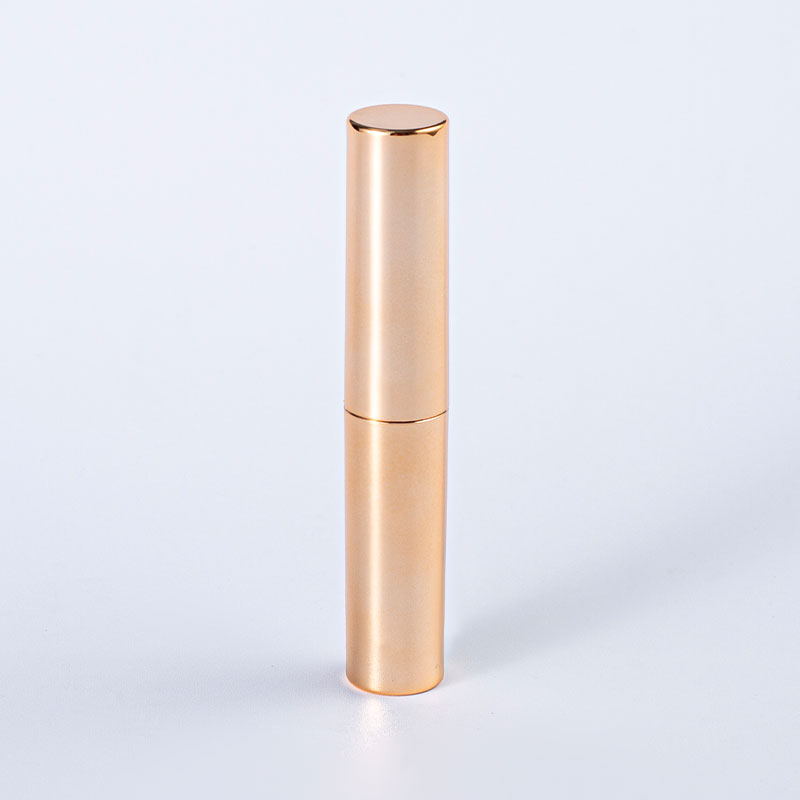
Luxury Rose Gold Lipstick Tube – Metallic Cylindrical Case
Luxurious Metallic Finish: High-gloss rose gold (or champagne gold) coating delivers a premium, salon-grade l...
Content
In modern cosmetic packaging manufacturing, primary containers perform critical functional duties while communicating brand positioning. The luxury lip gloss tube is a specialized primary packaging architecture that balances visual appeal, chemical compatibility, structural weight, and precise dispensing performance. Unlike basic squeeze tubes or thin-walled plastic vials, luxury lip gloss packaging requires substantial material density, refined optical clarity, and high-performance sealing mechanisms.
For prestige beauty brands, contract manufacturers, and packaging procurement teams, developing a high-end lip gloss tube requires evaluating technical attributes beyond surface aesthetics. Formula viscosity, solvent interaction, internal pressure retention during air transit, and the tactile experience of opening and closing the cap all influence product performance.
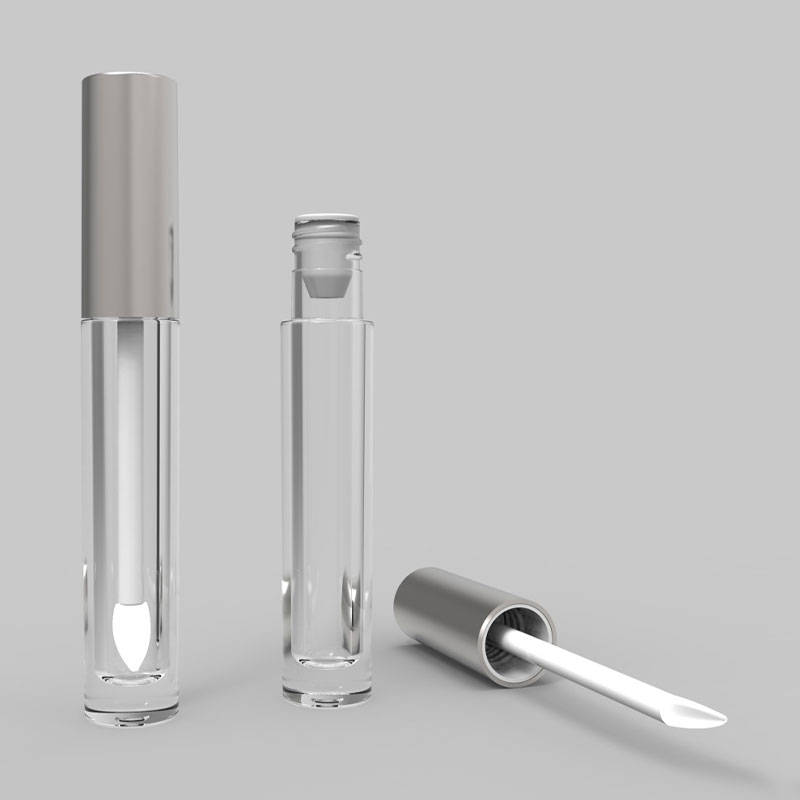
Understanding the structural components of a luxury lip gloss tube—including the outer bottle, inner reservoir, wiper plug, applicator wand, and decorative cap—enables product development managers to specify precise engineering tolerances. These choices ensure the container maintains formula stability, prevents leakage, and provides an elevated consumer experience across extended use cycles.
The tactile weight and visual transparency of a luxury lip gloss tube depend on its outer resin composition and wall thickness. Primary manufacturing materials include heavy-wall Acrylonitrile Styrene (AS), Polyethylene Terephthalate Glycol (PETG), Acrylic (PMMA), and specialized glass containers.
| Material Property / Metric | Heavy-Wall PETG | Injection Molded Acrylic (PMMA) | Molded Glass Vials | High-Clarity ABS / AS |
|---|---|---|---|---|
| Optical Clarity | High (Glass-like clarity) | Exceptional (Crystal clear) | Maximum (Pure clarity) | Moderate to High |
| Material Density & Hand-Feel | Substantial / Weighted | Heavy / Premium glass feel | Highest / Cold hand-feel | Lightweight to Moderate |
| Chemical Compatibility | Superior (Resists active oils) | Moderate (Requires oil testing) | Complete chemical inertness | Moderate chemical resistance |
| Impact Strength | High (Shatter-resistant) | Moderate (Prone to stress cracking) | Low (Fragile upon drop impact) | High impact strength |
| Tooling & Unit Cost | Moderate OEM tooling cost | High injection molding cost | High tooling and annealing cost | Low to Moderate tooling cost |
Polyethylene Terephthalate Glycol (PETG) is a primary polymer for luxury lip gloss manufacturing due to its toughness and optical clarity. Heavy-wall PETG containers feature wall thicknesses exceeding 3mm to 5mm, giving plastic vials the substantial weight and visual depth of solid glass while retaining shatter resistance. PETG resists chemical breakdown caused by ester-rich lip formulations, essential oils, and high-viscosity shiny polymers.
Polymethyl Methacrylate (PMMA), or acrylic, offers crystal-like transparency and precise geometric edge definitions. Luxury lip gloss tubes manufactured with acrylic outer walls often feature dual-injection molding designs: an inner chemical-resistant PP or PETG reservoir encased within a thick square or cylindrical acrylic housing. This dual-wall structure isolates active cosmetics from the outer shell, preventing stress cracking while creating a floating formula effect.
Glass lip gloss tubes provide natural chemical inertness and a cool tactile weight. However, due to glass manufacturing limitations regarding tight internal neck tolerances, hybrid designs dominate the luxury segment. These combine a molded thick-bottom glass body with a precision injection-molded plastic neck insert, ensuring tight wiper fitment and leak-proof thread engagements.
A key factor in consumer satisfaction is how smoothly formula transfers from the internal reservoir onto the applicator tip. This controlled distribution relies on the wiper plug (wiper seal) and applicator design working together.
| Applicator Type | Primary Material Construction | Ideal Formula Viscosity | Dosing Experience & Application |
|---|---|---|---|
| Flocked Doe-Foot | Nylon / Polyester flocking over ABS stem | Medium-to-High viscosity gloss | Soft velvet contact, high formula pick-up |
| Cooling Metal Tip | Zamak alloy / Stainless steel tip | Low-to-Medium serum gloss | Instant thermal cooling, lymphatic massage |
| Flexible Silicone | Medical-grade Thermoplastic Elastomer (TPE) | High-tack / Gel oil formula | Hygienic non-porous wiping, precise lining |
| Micro-Bristle Brush | Synthetic PBT filaments | Thin / Sheer lip oil and stain | Delicate brush control, even pigment laydown |
The wiper plug, typically molded from Low-Density Polyethylene (LDPE) or Thermoplastic Elastomer (TPE), sits securely within the tube’s inner neck. The wiper aperture inner diameter must match the applicator wand outer diameter within tolerances of ±0.05mm.
If the aperture is too wide, excess gloss gathers on the stem, causing messy accumulation around the outer neck threads. If the aperture is too narrow, inserting the wand builds internal hydraulic pressure, leading to formula overflow or stem bending.
Transforming a molded plastic or glass housing into a luxury component relies on high-end surface treatment processes. These decorative techniques must resist scratching, alcohol exposure, and oil migration.
| Finishing Technique | Process Overview | Structural Durability | Visual & Tactile Output |
|---|---|---|---|
| Vacuum Metallization | Aluminum evaporation in vacuum chamber | High (When protected with UV clear coat) | Mirror-like chrome, gold, or rose-gold finish |
| Electroplating | Electrolytic metal deposition on ABS caps | Exceptional (Scratch & wear resistant) | Real metal weight, cold feel, reflective mirror |
| Precision Hot Foil Stamping | Thermal transfer of metallic foil under pressure | High crispness (Requires flame treatment) | Sharp metallic logos and fine geometric lines |
| Internal Lacquering | Spraying color varnish inside acrylic walls | Excellent (Protected from outer abrasion) | Depth-of-color effect with clear outer glass look |
While outer caps can be stamped from aluminum, premium lip gloss containers often use electroplated Acrylonitrile Butadiene Styrene (ABS). Electroplating applies genuine nickel-chrome or gold layers over the resin, yielding a metallic finish that resists pitting, fingerprint corrosion, and tarnishing better than thin anodized aluminum sleeves.
Branding elements on luxury tubes require crisp alignment across curved or faceted surfaces. UV-curable inks offer high adhesion to PETG and PMMA substrates, passing standard cross-hatch tape adhesion tests (ASTM D3359). Metallic branding uses high-precision hot stamping foils applied with silicone dies under controlled temperature and pressure.
Product leakage around the neck threads remains a significant challenge for liquid cosmetic packaging. Preventing leakage requires precise thread engineering, anti-creep seals, and controlled torque parameters.
| Packaging Component | Critical Tolerance Standard | Failure Mode if Out of Spec |
|---|---|---|
| Cap-to-Neck Thread Engagement | 1.5 to 2.0 full thread turns | Thread stripping or loose closure during transport |
| Wiper-to-Stem Seal Clearance | Interference fit of 0.03mm to 0.05mm | Product seepage up the wand shaft onto cap threads |
| Inner Neck Sealing Lip | Flatness within 0.02mm plane | Air ingress, drying formula, and cap-shoulder gap |
| Cap Closing Torque | 0.8 to 1.2 Newton-meters (N·m) | Consumer difficulty opening or accidental loosening |
Luxury lip gloss containers use precision Continuous Thread (CT) closures with engineered stop-ribs. These internal mechanical stops provide tactile feedback when the cap reaches complete closure. This design prevents over-tightening, which can split internal cap threads or deform the LDPE wiper seal.
When an applicator wand is inserted into a sealed tube, air and formula compress inside the reservoir. Without pressure-relief features, this trapped air pushes formula up past the wiper, leading to leakage around the neck threads.
Engineered wipers feature micro-bleed channels along their outer retention ribs. These allow air pressure to equalize during insertion while maintaining an airtight seal when fully closed.
Production of luxury lip gloss tubes requires stringent Quality Control (QC) standards throughout raw material molding, secondary finishing, assembly, and final packing.
| QC Inspection Category | Testing Protocol / Methodology | Pass/Fail Standard |
|---|---|---|
| Vacuum Leakage Test | Submerged in water at -0.06 MPa for 10 minutes | Zero air bubbles; no formula fluid escape |
| Drop Test Performance | 1.2 meter drop test onto hard tile surface | No cracking of heavy-wall resin; cap remains sealed |
| Formula Compatibility | 45°C and 50°C oven storage over 12 weeks | Zero plasticizer migration, warping, or crazing |
| Flocking Adhesion | Rubbing test & liquid immersion shear test | Zero fiber shedding or flocking detachment |
| Torque Maintenance | Automated torque meter measurement | Retains 80%+ initial closing torque after 200 cycles |
As brand environmental responsibility becomes increasingly central to luxury beauty, packaging manufacturers are integrating eco-friendly materials without sacrificing visual or tactile quality:
Heavy-wall PETG and injection-molded PMMA (acrylic) are the leading materials. PETG provides high clarity along with excellent chemical resistance to formula oils. Acrylic offers maximum crystal-like transparency and geometric sharpness, often paired with an inner PP or PETG liner for chemical safety.
Leak prevention relies on calibrated wiper-to-stem tolerances (0.03mm to 0.05mm clearance), internal hydraulic pressure-relief channels, precise thread engagement, and a flat neck sealing surface. Vacuum chamber testing ensures the sealed container maintains airtight integrity under high-altitude air transit conditions.
Standard plastic vials feature wall thicknesses between 1.0mm and 1.5mm. Luxury heavy-wall lip gloss tubes typically require wall thicknesses between 3.0mm and 6.0mm. This added wall density gives plastic packaging a glass-like weight and visual depth.
Yes. Certain aggressive synthetic esters, high-concentration essential oils, or lip-plumping actives (such as vanillyl butyl ether or capsaicin) can degrade low-grade adhesives used in flocking. Luxury manufacturing specifies solvent-resistant polyurethane flocking adhesives and subjects components to 12-week high-temperature formula compatibility testing.
Yes. Modern OEM/ODM factories produce refillable lip gloss designs featuring reusable outer shells made from aluminum, heavy acrylic, or wood. The inner formula reservoir and wiper assembly screw out as a single unit, allowing consumers to insert replacement cartridges without contaminating the outer container.