English
 中文简体
 Español

Airless Vacuum Press Pump Bottle
Lock in the power of your precious formulas. This airless vacuum bottle utilizes advanced piston technology to...
Content
During a routine stability test for a vitamin C serum, two identical blends sat side by side: one in an airless vacuum pump bottle, the other in a standard press pump bottle with a dip tube. After eight weeks at 40°C, the regular pump bottle batch had turned yellow at the neck, thinned slightly, and developed a faint off-note. The airless batch kept its original color and texture. Nothing in the formula had changed. The only difference was how each package handled air.
Every beauty brand eventually weighs airless packaging vs regular pump bottle options for the same reason: this comparison determines oxygen exposure, usable product yield, and cost per fill before a single marketing decision is made. Airless systems keep outside air away from the formula and push almost every drop out. Regular pump bottles cost less, accept thicker formulas, and run on faster filling lines. Below is how we compare them in real development projects.
Airless packaging blocks the air-return path that a regular pump bottle reopens with every press, and this mechanical difference drives most of the stability gap between the two systems.
A regular pump bottle works by creating a vacuum in the head space; when the user releases the actuator, air is drawn back through the dip tube to equalize pressure. That air carries oxygen directly into the formula, and the headspace grows with each stroke, expanding the contact surface. An airless system replaces that logic with a piston that rises from the base and a one-way valve that separates the dispensing chamber from the reservoir. The reservoir shrinks as product leaves, so outside air never reaches the formula.
What an airless system prevents:
The practical result is that formulas built around vitamin C, retinol, peptides, or cold-pressed oils hold color, odor, and efficacy for longer. In our project records, clients who moved an oxygen-sensitive serum from a regular pump bottle to an airless system routinely passed 12-week stability panels with roughly half the antioxidant loading.
An airtight cap is not enough. The decisive variable is whether the dispensing stroke itself pulls air back into the mass of the formula.
Airless systems deliver 5–8% more usable product than regular pump bottles, and on premium formulas that yield gap alone can justify the higher component cost.
Standard pump bottles with dip tubes leave a film on the inner wall and a measurable pool near the bottom; typical residual waste is 5–10% of fill volume. Airless pistons scrape the wall as they travel, so residual waste drops to 1–3%. For a 30ml serum with a $12 packaged-good cost, an 8% loss hides $0.96 of sellable formula in every discarded bottle. Across 100,000 units, that is close to $96,000 in product that consumers never get to use.
The economics also run through preservatives and antioxidants. Because an airless reservoir never contacts incoming air, formulators can reduce the antioxidant system and still pass challenge tests. That is a second, quieter saving: lower raw-material cost and a cleaner ingredient label.
A 5% yield improvement on a premium serum pays for the airless system's additional components before the brand spends a dollar on marketing.
A regular pump bottle accepts a wider viscosity window and more complex formulas than most airless systems, which is why it remains the engineering default for thick creams and suspension products.
An airless system depends on a piston that must keep sliding against the inner wall. If the formula is too thick, the piston can stick or channel, and the consumer fights a pump that barely moves. If the formula is too thin, the valve may leak or over-dispense. Heavy creams, anhydrous balms, clay masks, and anything with exfoliating particles or glitter can clog the narrow valve or abrade the gasket.
Airless suits best
Regular pump bottle suits best
This is why the engineering team at Sumseng Group Co., Ltd. keeps both formats in the standard portfolio. A glass airless pump bottle handles the prestige serum, while a regular pump bottle with a wide mouth handles the body cream on the same factory line.
Scored across five decision criteria, airless packaging leads on protection and yield, while the regular pump bottle wins on cost efficiency, viscosity range, and refill convenience.
Dispensing system performance scores
Higher is better on each 0–10 criterion, based on typical project data for skincare packaging.
Read the two color bars as a budget: the airless system buys formula safety, the regular pump bottle buys commercial flexibility. A competent supplier should offer both.
The table below consolidates the technical differences that matter most when a packaging engineer reviews a new brief.
| Criterion | Airless packaging | Regular pump bottle |
| Oxygen ingress per stroke | Blocked by one-way valve; reservoir never contacts air | Air drawn back through the dip tube on every return stroke |
| Residual product | 1–3% of fill volume | 5–10% of fill volume |
| Viscosity window | Thin to medium lotions and serums | Thin liquids to thick creams, balms, and suspensions |
| Preservative demand | Lower in accelerated stability panels | Higher; additional antioxidants usually required |
| Component cost | Higher, due to piston, valve, spring, and gasket | Lower, with a mature supply chain |
| Refill and reuse | Not designed for refill; piston cannot reset | Refillable with standard closures |
| Typical market position | Premium, clinical, clean-beauty lines | Mass-market, value-tier, high-turnover lines |
Match the dispensing system to the formula's oxidation risk, viscosity, and price tier; there is no universal winner, but there is a measurable decision process.
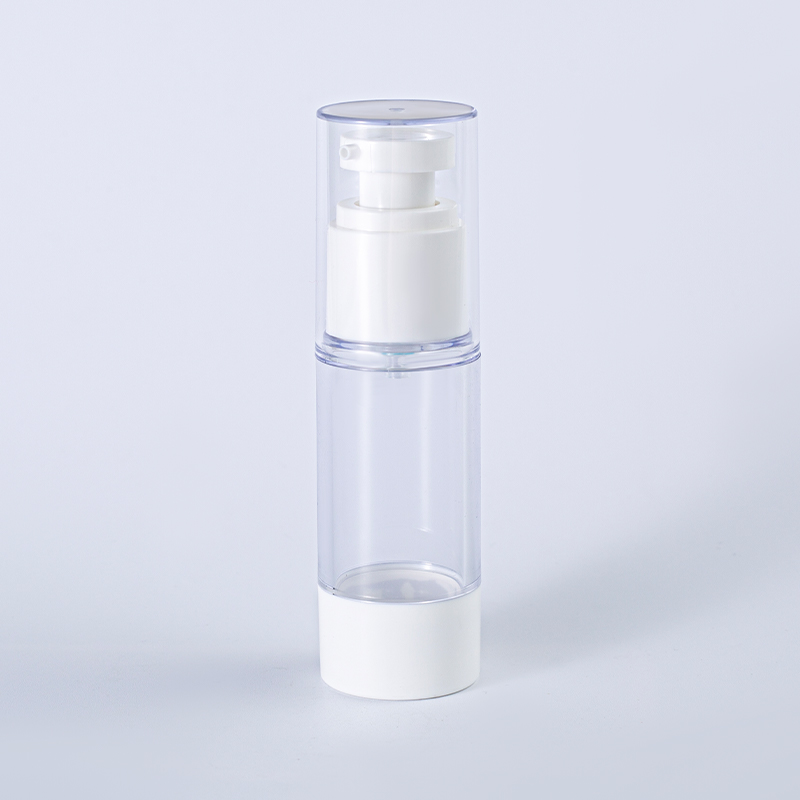
When a project lands on the airless side, we start with proven references from our skincare packaging range: an airless vacuum press pump bottle for serums and essences, a glass airless pump bottle for prestige positioning, and a 30ml clear PET press pump bottle with a silver cap as the cost-controlled regular-pump reference. The contact page is a good place to request samples and fill compatibility data.
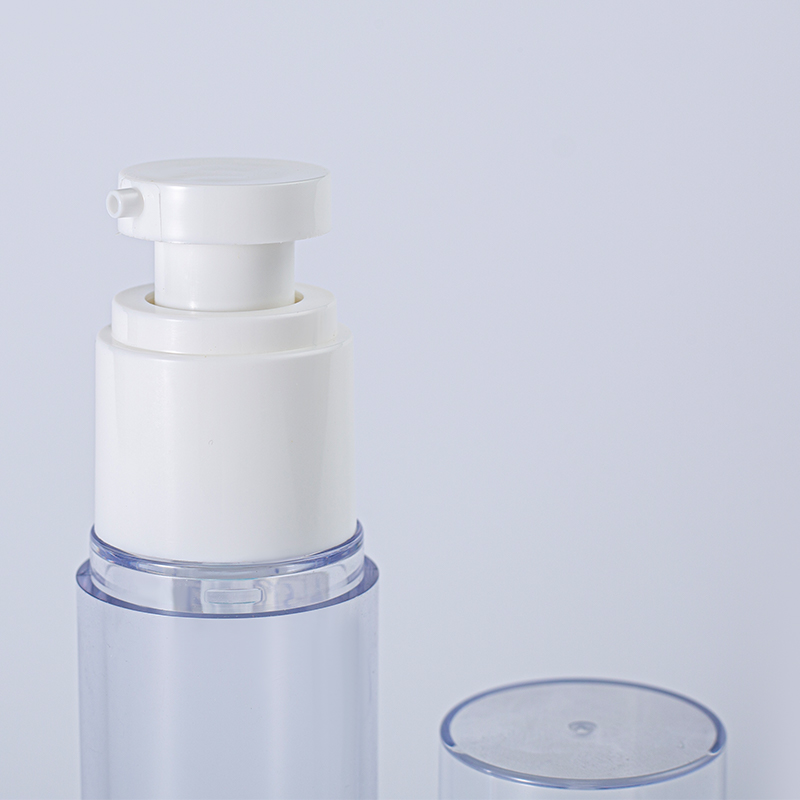 Airless Vacuum Press Pump Bottle for Serums and EssencesThis compact 15ml airless bottle with piston technology keeps formulas fresh without air exposure, ideal for prototyping skincare products with proven reliability.View Product →
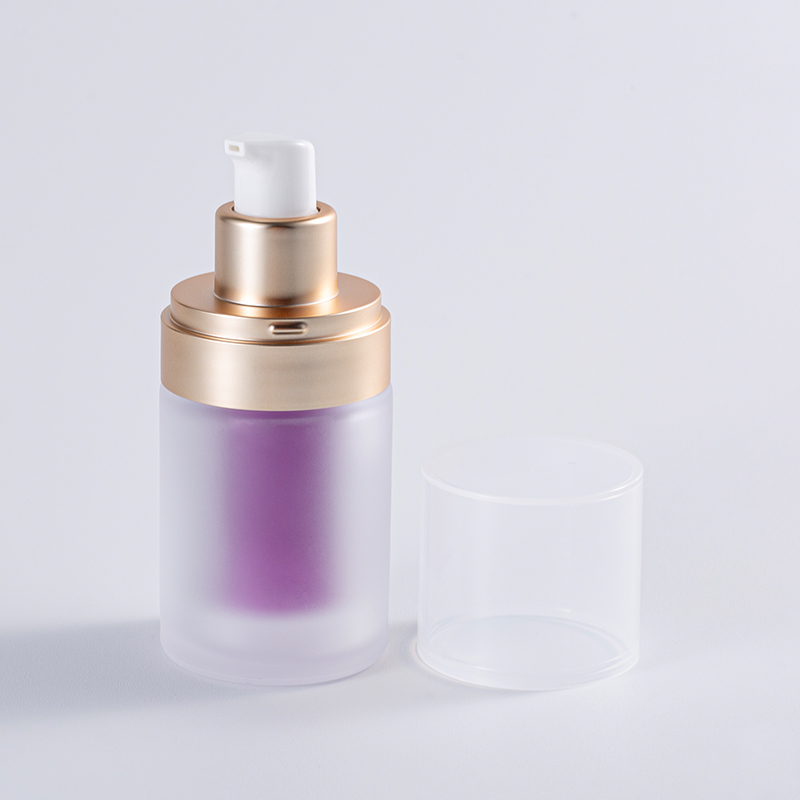 Glass Airless Pump Bottle with Premium Gold TrimA double-wall glass airless pump bottle in 15/30/50ml, offering prestige positioning with minimal oxidation and leftover, perfect for high-end serum packaging.View Product →
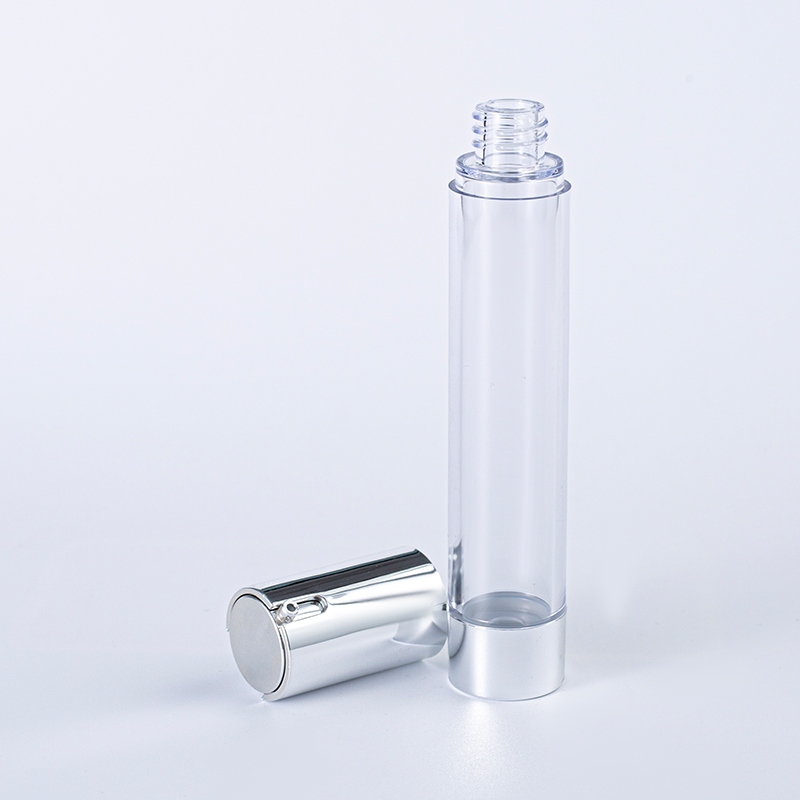 30ml Clear PET Press Pump Bottle with Silver CapA cost-effective, airtight PET bottle with precise dosage and leak-proof design, suitable for serums or lotions, serving as the regular-pump reference in prototyping.View Product →
All three references are available as standard SKUs with OEM and ODM decoration options, which keeps the switching cost between systems low during prototyping.
No. Airless packaging is better when the formula is oxygen-sensitive, premium-priced, and low-to-medium viscosity. A regular pump bottle is the better technical and commercial choice for thick creams, value-tier products, and lines that need refillable or high-speed filling formats. Choose by testing, not by trend.
You can, but expect faster oxidation. The serum will discolor sooner and usually requires a higher antioxidant load and a stricter preservative system. An eight-week side-by-side stability test is the fastest way to quantify the difference for your specific formula.
Airless bottles need a piston, a one-way valve, a spring, and a gasket that must all hold tight tolerances against the inner wall. A regular pump bottle has fewer moving parts and a mature supply chain, which keeps unit cost lower. On premium formulas, that price gap is typically repaid through yield savings and reduced preservative cost.
Airless systems are sensitive to pressure changes in air cargo; a poorly sealed valve can push product out when cabin pressure drops. Choose a supplier that validates transport behavior and provides sealed pump caps for the logistics leg. Test the fully assembled package, not just the bottle.